How to Rank on Google Maps as a Local Contractor
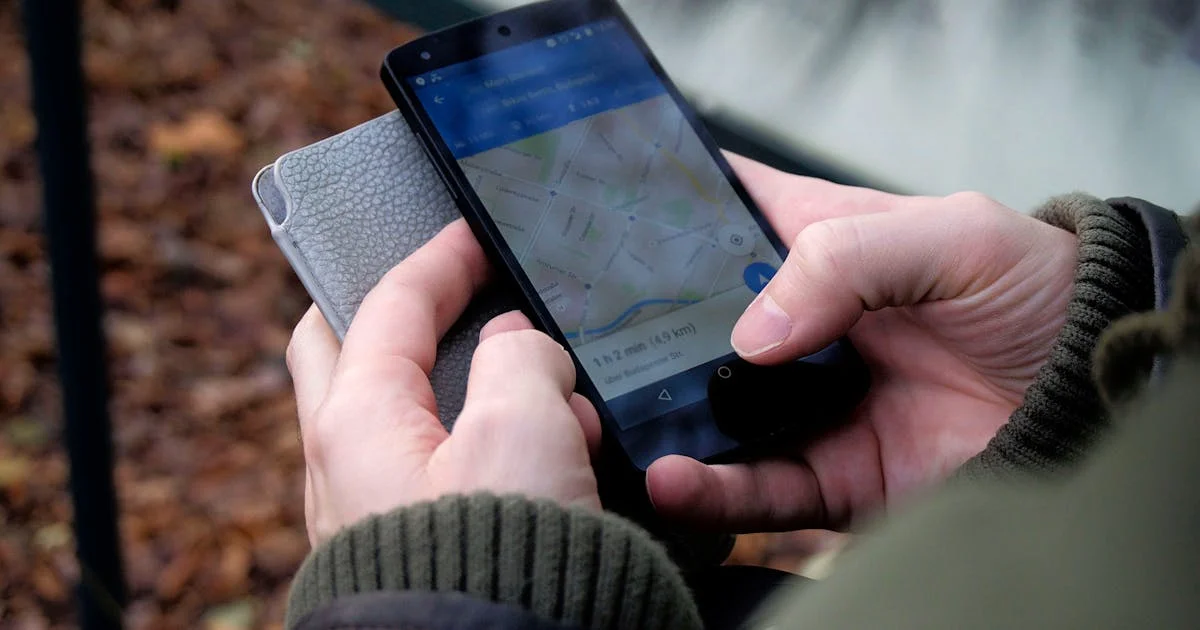
When someone in your area searches "roofer near me" or "plumber in [city]," the first thing they see isn't a website. It's the Google Maps local pack — three business listings with a star rating, phone number, and a link to directions. Those three spots get the majority of clicks. Everything below them is fighting for scraps.
If your business isn't in that top three, you're invisible to most of the people who are actively looking to hire someone like you right now. Here's what actually determines where you land — and what's mostly a waste of time.
Why the Local Pack Matters More Than Organic Search
On a mobile screen, the local pack sits above the organic website results. Most people never scroll past it. Studies consistently show the three map listings capture 40 to 60 percent of all clicks on a local search page. The organic results below them pick up whatever's left.
That means ranking #1 in regular search results often matters less than ranking in the top three on Maps. For a contractor, this is your highest-leverage SEO target — not blog posts, not backlinks from random directories, not anything complicated.
Start With Your Google Business Profile
If you haven't claimed your Google Business Profile (formerly Google My Business), that's the first thing to fix. Go to business.google.com, claim your listing, and verify it. If you've already done that, log in and actually look at it — most contractor profiles are half-empty.
Fill out everything Google gives you space for:
- Business name — use your actual business name, exactly as it appears everywhere else. Don't keyword-stuff it.
- Primary category — be specific. "Plumber" is better than "Home Services." "Roofing Contractor" is better than "Contractor."
- Secondary categories — add these for every service type you offer. If you do both HVAC and plumbing, both should be listed.
- Business description — write two or three sentences that mention your trade, your city, and what makes you worth calling. Keep it natural.
- Photos — add real photos of your work, your truck, your team. Google favors profiles with photos. Homeowners trust them.
- Hours — keep these accurate. An incorrect phone number or wrong hours is an immediate trust problem.
- Services list — Google lets you list individual services. Use this. "Water heater replacement," "drain cleaning," "sewer line repair" are all search terms people use.
Reviews Are the Biggest Lever You Have
Google's local ranking algorithm weighs three things heavily: relevance, distance, and prominence. You can't change distance. Relevance is mostly about your profile completeness and website. Prominence — which is basically your reputation and activity — is where reviews come in, and it's the thing you can move fastest.
More reviews, recent reviews, and higher average ratings all push you up in the local pack. A business with 80 reviews at 4.7 stars almost always outranks a business with 12 reviews at 4.9 stars. Volume and recency matter as much as the score.
The most effective way to get reviews is simple: ask right after the job is done, while the customer is still happy and the work is fresh. Don't send an email three days later — most people have moved on. Ask in person or send a text within a few hours. Keep the ask short: "Hey, if you were happy with the work, a Google review would mean a lot to us — here's the link."
Make it easy. Get your Google review link from your Business Profile and save it as a short URL you can text. The fewer steps, the more reviews you'll actually get. Don't offer incentives — that violates Google's terms and can get your reviews removed.
NAP Consistency Across the Web
NAP stands for Name, Address, Phone. Google cross-references your business information across dozens of online directories — Yelp, Yellow Pages, BBB, Angi, Facebook, and more. If your phone number is listed differently in five places, or your address uses "St." in one place and "Street" in another, it creates conflicting signals that hurt your local ranking.
Audit the main directories and make sure your name, address, and phone number are identical everywhere. This isn't glamorous work, but it's one of the more reliable ranking factors that most contractors ignore.
Set Your Service Area Correctly
If you're a service-area business — meaning you go to the customer rather than they come to you — Google lets you set a service area in your Business Profile instead of displaying a full address. Use this.
Be realistic about your service area. If you try to claim an area that's two hours wide, Google's algorithm will downrank you for searches far from your actual location. Set the area to the cities and zip codes where you realistically work most of your jobs, and you'll rank better in those specific spots than if you claim the whole state.
Post to Your Google Business Profile
GBP posts are like mini social media posts that show up directly in your Maps listing. Most contractors never use them. That's an easy opportunity.
Post once a week or every two weeks — a photo of a completed job, a seasonal service reminder, an offer. It doesn't have to be elaborate. Google sees active profiles as more relevant, and customers who land on your listing see that you're active. Both help.
How Your Website Connects to Your Maps Ranking
Your website and your Google Maps ranking aren't separate — they're connected. Google looks at your website to validate your business and its relevance to local searches. A website that clearly states your trade and your service area, loads quickly, and has consistent NAP information gives Google more confidence that your profile is legitimate and relevant.
Specifically: your website should mention the cities you serve by name, not just "surrounding areas." It should have your phone number and address in the footer, matching your GBP exactly. And it needs to load fast — a slow website is a negative signal even for Maps ranking.
What Not to Waste Time On
A few things get passed around in contractor Facebook groups that aren't actually worth your time:
- Buying fake reviews — Google detects and removes them. Your account can get suspended. Not worth it.
- Keyword-stuffing your business name — "Best Plumber Milwaukee Fast Response" as your business name is against Google's guidelines and can get your listing flagged.
- Obsessing over citations from obscure directories — the 30 most common directories matter. Getting listed on 300 random sites doesn't move the needle.
- Checking your ranking from your own address — Google personalizes results based on location. Your ranking looks different to a homeowner across town than it does to you sitting in your shop. Use a tool like Local Falcon or BrightLocal if you want accurate rank tracking.
The Bottom Line
Ranking on Google Maps comes down to a few things done consistently: a complete and accurate Business Profile, a steady flow of real reviews, NAP consistency across the web, and a website that backs up your local relevance. None of it requires an SEO agency — but all of it requires actually doing it, not just setting it up once and forgetting it.
The contractors ranking in the top three in your market aren't doing anything magic. They have more reviews than you, a more complete profile, and a website that works. Close those gaps and the ranking will follow.
Want to rank in the Maps pack in your market?
Every TradeSmith website is built with local SEO baked in — your service area pages, NAP consistency, schema markup, and load speed all set up to support your Google Maps ranking from day one. Get a free quote.
Get a Free Quote